5 Klaviyo Flows Every Wellness Brand Needs to Drive Revenue
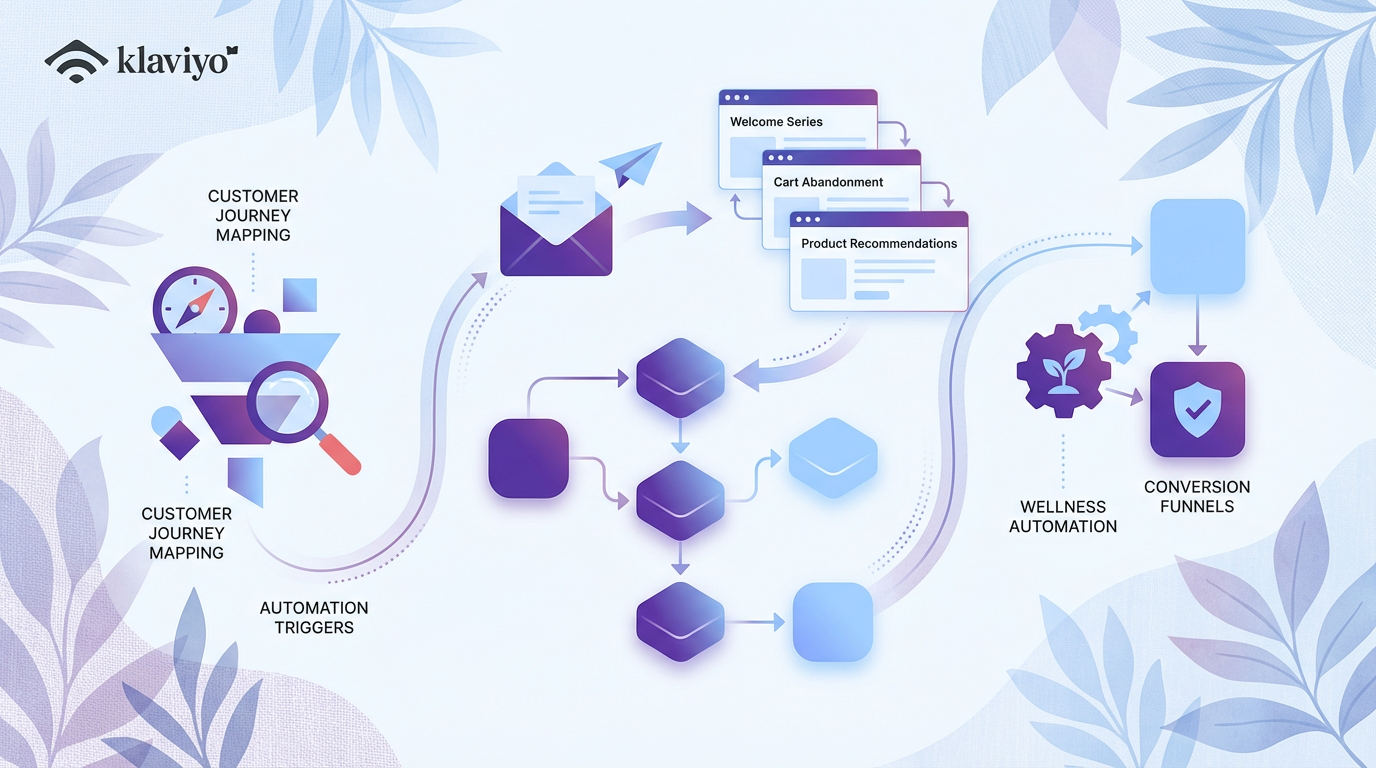
If you are running a DTC wellness brand and not using email automation flows, you are leaving serious money on the table. According to Klaviyo's latest 2025 benchmarks, automated email flows generate up to 30 times more revenue per recipient than standard email campaigns. That is not a typo. Thirty times.
The reason is simple. Flows are triggered by real-time customer actions, which makes them timely, relevant, and personalized. They work 24/7 without you lifting a finger, nurturing subscribers through every stage of the customer journey and converting them into loyal, repeat buyers.
But here is the thing. Not all flows are created equal, and wellness brands have unique needs that require specific strategies. Your customers are not just buying products. They are investing in their health, seeking transformation, and looking for brands they can trust. Your email flows need to reflect that.
In this guide, I will walk you through the five essential Klaviyo flows every wellness brand needs, complete with benchmarks, best practices, and real-world examples. Whether you are just getting started with email automation or looking to optimize your existing flows, this is your roadmap to turning email into your most profitable marketing channel.
Why Email Flows Matter for Wellness Brands
Before we dive into the specific flows, let me explain why automation is especially powerful for wellness brands. Unlike fashion or home goods, wellness products often require education, trust-building, and ongoing engagement. Your customers need to understand how to use your products, what benefits to expect, and when to reorder.
Email flows handle all of this automatically. They deliver the right message at the right time based on customer behavior, creating a seamless experience that builds loyalty and drives repeat purchases. And the results speak for themselves. Abandoned cart flows alone generate an average of $3.65 per recipient, compared to just $0.11 for standard campaigns.
Now, let us break down the five flows you need to implement today.
1. Welcome Series: Make a Powerful First Impression
Your welcome series is the first automated email sequence a new subscriber receives after joining your list. This is your brand's first impression, and it is your best opportunity to convert a curious subscriber into a paying customer.
Why It Matters for Wellness Brands
Wellness customers are values-driven. They want to know your brand story, your mission, and what makes you different from the dozens of other supplement or skincare brands competing for their attention. Your welcome series is where you establish that connection.
The Numbers
According to Klaviyo benchmarks, welcome flows generate an average of $2.65 per recipient, with the top 10% of brands achieving a placed order rate of 10.53%. That means one in ten new subscribers is making a purchase directly from the welcome series.
What to Include
Your welcome series should be 3 to 5 emails spaced over 7 to 10 days. Here is a proven structure:
Email 1 (Immediate): Welcome the subscriber, deliver any promised lead magnet or discount, and set expectations for what they will receive from your emails. Include a brief brand introduction and a clear call to action to shop your best-sellers.
Email 2 (Day 2-3): Tell your brand story. Why did you start this company? What problem are you solving? Wellness customers care about mission and values, so this is your chance to connect emotionally.
Email 3 (Day 5-6): Educate them about your products. Highlight benefits, ingredients, and what makes your formulation unique. Include social proof like customer testimonials or clinical studies if available.
Email 4 (Day 8-9): Create urgency with a limited-time offer or reminder about their discount expiring. Include a strong call to action to complete their first purchase.
Email 5 (Optional, Day 10-12): For subscribers who haven't purchased yet, send a final reminder with additional social proof or a FAQ section addressing common objections.
Best Practices
Send the first email immediately after signup to capitalize on their interest. Use dynamic product recommendations based on their signup source or preferences. Highlight your brand values and mission prominently. Include high-quality product images and clear calls to action. A/B test your discount offers to find the sweet spot between conversion and profitability.
2. Post-Purchase Education Flow: Turn Buyers into Repeat Customers
Your post-purchase flow is triggered immediately after a customer completes a purchase. While most brands use this flow for order confirmations and shipping updates, wellness brands have a unique opportunity to educate customers and set them up for long-term success with your products.
Why It Matters for Wellness Brands
Wellness products often require consistent use to see results. Whether you sell supplements, skincare, or fitness products, your customers need to understand how to use them correctly, what results to expect, and when they will start seeing benefits. This flow builds confidence, reduces buyer's remorse, and lays the foundation for repeat purchases.
The Numbers
Post-purchase emails have the highest open rate of any flow at 61.68%, according to Klaviyo benchmarks. People want to know about their order, which gives you a captive audience for additional messaging.
What to Include
Your post-purchase series should include 3 to 5 emails over the first 30 days after purchase. Here is a recommended structure:
Email 1 (Immediate): Order confirmation with all the essential details (order number, items purchased, estimated delivery date). Keep this transactional but on-brand with your visual identity.
Email 2 (Day 3-5, after delivery): Welcome them as a customer and provide usage instructions. For supplements, explain when and how to take them. For skincare, outline a step-by-step routine. Include tips for maximizing results.
Email 3 (Day 10-14): Check in on their experience. Ask how they are enjoying the product and address common questions or concerns. This is also a great time to introduce complementary products or upsell related items.
Email 4 (Day 21-30): Request a product review. Incentivize with a discount on their next order, especially if they include a photo. Social proof is critical for wellness brands, and reviews build trust with future customers.
Email 5 (Day 30-45): Introduce your replenishment reminder or subscription program. Let them know when they will likely run out and make it easy to reorder.
Best Practices
Include care instructions, usage tips, or educational content in every email. Use dynamic content to personalize recommendations based on what they purchased. Add a "behind the scenes" element like founder stories or ingredient sourcing to deepen the connection. Make it easy for customers to reach support if they have questions. Consider adding video content demonstrating product usage.
3. Replenishment Reminder: Automate Repeat Purchases
Replenishment reminders are automated emails that notify customers when they are likely running low on a consumable product. For wellness brands selling supplements, protein powder, skincare, or other products that need regular restocking, this flow is a revenue goldmine.
Why It Matters for Wellness Brands
Most wellness products are consumable, which means your customers will need to reorder. The question is whether they will reorder from you or forget and buy from a competitor. Replenishment reminders solve this problem by reaching out at exactly the right moment, making it effortless for customers to restock.
The Numbers
While Klaviyo does not publish specific benchmarks for replenishment flows, brands that implement SKU-specific replenishment strategies see massive results. Force of Nature, a cleaning brand with a similar consumable product model, saw 140% year-over-year growth in revenue from flows after implementing granular replenishment reminders.
What to Include
Your replenishment flow should be triggered based on the expected usage timeline for each product. For example, if you sell a 30-day supply of supplements, trigger the reminder on day 25. Here is a simple structure:
Email 1 (5 days before expected depletion): Friendly reminder that they are probably running low. Include a direct link to reorder with one click. Highlight the benefits they have been experiencing and remind them not to break their routine.
Email 2 (Day of expected depletion): More urgent reminder. Use subject lines like "Don't run out" or "Time to restock." Include a small incentive like free shipping or a discount on their next order.
Email 3 (5 days after expected depletion): Final reminder with a stronger incentive. Emphasize the importance of consistency for results and make it easy to get back on track.
Best Practices
Use SKU-specific timelines based on product size and usage. A 30-day supply should trigger differently than a 60-day supply. Use predictive analytics if available to send reminders based on the customer's actual purchase frequency rather than assumptions. Make reordering as frictionless as possible with direct cart links or one-click reorder buttons. Offer subscription options to automate future purchases and increase customer lifetime value. A/B test your timing to find the optimal reminder window for each product.
4. Abandoned Cart Recovery: Recapture Lost Revenue
Abandoned cart flows are triggered when a customer adds items to their cart but leaves without completing the purchase. This is one of the highest-performing flows in ecommerce, and for good reason. These customers have already shown purchase intent. They just need a nudge to finish what they started.
Why It Matters for Wellness Brands
Wellness products often come with a higher price point and require more consideration than impulse purchases. Customers might abandon their carts to research ingredients, compare prices, or simply get distracted. Your abandoned cart flow brings them back and addresses any objections standing in the way of purchase.
The Numbers
Abandoned cart flows generate the highest revenue per recipient of any automation, averaging $3.65 according to Klaviyo benchmarks. That is 33 times higher than standard email campaigns.
What to Include
Your abandoned cart series should include 2 to 3 emails sent over 24 to 48 hours. Here is a proven structure:
Email 1 (1-3 hours after abandonment): Simple reminder that they left items in their cart. Include product images, names, and a direct link back to their cart. Keep the tone friendly and helpful, not pushy.
Email 2 (12-24 hours after abandonment): Add urgency or an incentive. Mention limited stock, highlight customer reviews for the abandoned products, or offer free shipping. Address common objections like "Is this product right for me?" with educational content or FAQs.
Email 3 (48 hours after abandonment, optional): Final reminder with a stronger incentive like a discount code. Use subject lines like "Last chance" or "We saved your cart." Include social proof and testimonials to build trust.
Best Practices
Send the first email within 1 to 3 hours while the customer's interest is still high. Use high-quality product images and direct links back to the cart. A/B test discount offers versus free shipping to see what drives more conversions without eroding margins. Include urgency elements like limited stock or countdown timers. Address wellness-specific objections like ingredient concerns, efficacy questions, or return policies. Personalize the email with the customer's name and the specific products they abandoned.
5. Product Review Request: Build Social Proof and Trust
Product review request flows are automated emails sent after a purchase asking customers to leave a review. For wellness brands, social proof is everything. Customers need to see that real people are getting real results before they will trust your products with their health.
Why It Matters for Wellness Brands
Wellness purchases are high-consideration decisions. Customers want to know that your supplement actually works, that your skincare will not irritate their skin, or that your protein powder tastes good. Reviews provide the social proof that turns skeptical browsers into confident buyers.
The Numbers
Brands that implement strategic review request flows see significant increases in review volume and quality. Compass Coffee, for example, saw a 3.7 times quarter-over-quarter jump in reviews submitted with images and a 70.5% increase in total reviews after implementing Klaviyo's review request flow with photo incentives.
What to Include
Your review request flow should be triggered a few days after the customer receives their product, giving them time to try it. Here is a simple structure:
Email 1 (5-7 days after delivery): Ask for a review with a friendly, personal tone. Explain how their feedback helps other customers and improves your products. Include a direct link to the review submission page and make the process as easy as possible.
Email 2 (Optional, 3-5 days later for non-responders): Follow up with an incentive. Offer a discount on their next purchase or entry into a giveaway in exchange for a review. If possible, offer a larger incentive for reviews that include photos, as visual reviews are more persuasive.
Best Practices
Time your request based on product usage. For supplements, wait 2 to 3 weeks so customers can experience benefits. For skincare, wait 1 to 2 weeks. For fitness products, wait until they have had time to use them multiple times. Make the review process quick and easy with a direct link to the submission page. Offer incentives like discounts or loyalty points to increase response rates. Encourage photo reviews with higher incentives, as visual reviews drive more conversions. Use personalized messaging that references the specific product they purchased. Follow up with non-responders but do not be overly aggressive. One or two reminders is enough.
Bonus Tips for Wellness Brands
Now that you understand the five essential flows, here are a few additional tips to maximize your email automation strategy:
Segment by product type. Customers who buy supplements have different needs than customers who buy skincare. Tailor your messaging accordingly.
Emphasize education. Wellness customers want to understand how your products work and why they are effective. Use your flows to educate, not just sell.
Highlight your values. Wellness customers care about sustainability, ethical sourcing, and transparency. Weave these themes into your email copy.
Use dynamic content. Personalize your emails with product recommendations, usage tips, and content based on what the customer has purchased or browsed.
Test and optimize. Email automation is not set-it-and-forget-it. Continuously A/B test subject lines, send times, incentives, and messaging to improve performance.
Final Thoughts
Email automation is not optional for wellness brands. It is the most effective way to nurture customers, build trust, and drive repeat purchases at scale. The five flows I have outlined in this guide (welcome series, post-purchase education, replenishment reminders, abandoned cart recovery, and review requests) form the foundation of a high-performing email marketing strategy.
Start with these five, optimize them based on your brand's unique needs, and watch your email revenue grow. And if you need help setting up or optimizing your Klaviyo flows, that is exactly what I do. Book a free strategy call, and let us talk about how to turn your email list into your most profitable marketing channel.
Want to implement these strategies for your brand?
Book a free strategy call to discover how Sacred Sky Strategy can help your wellness brand transform email into a profitable growth engine.
Start Growing Email Revenue